
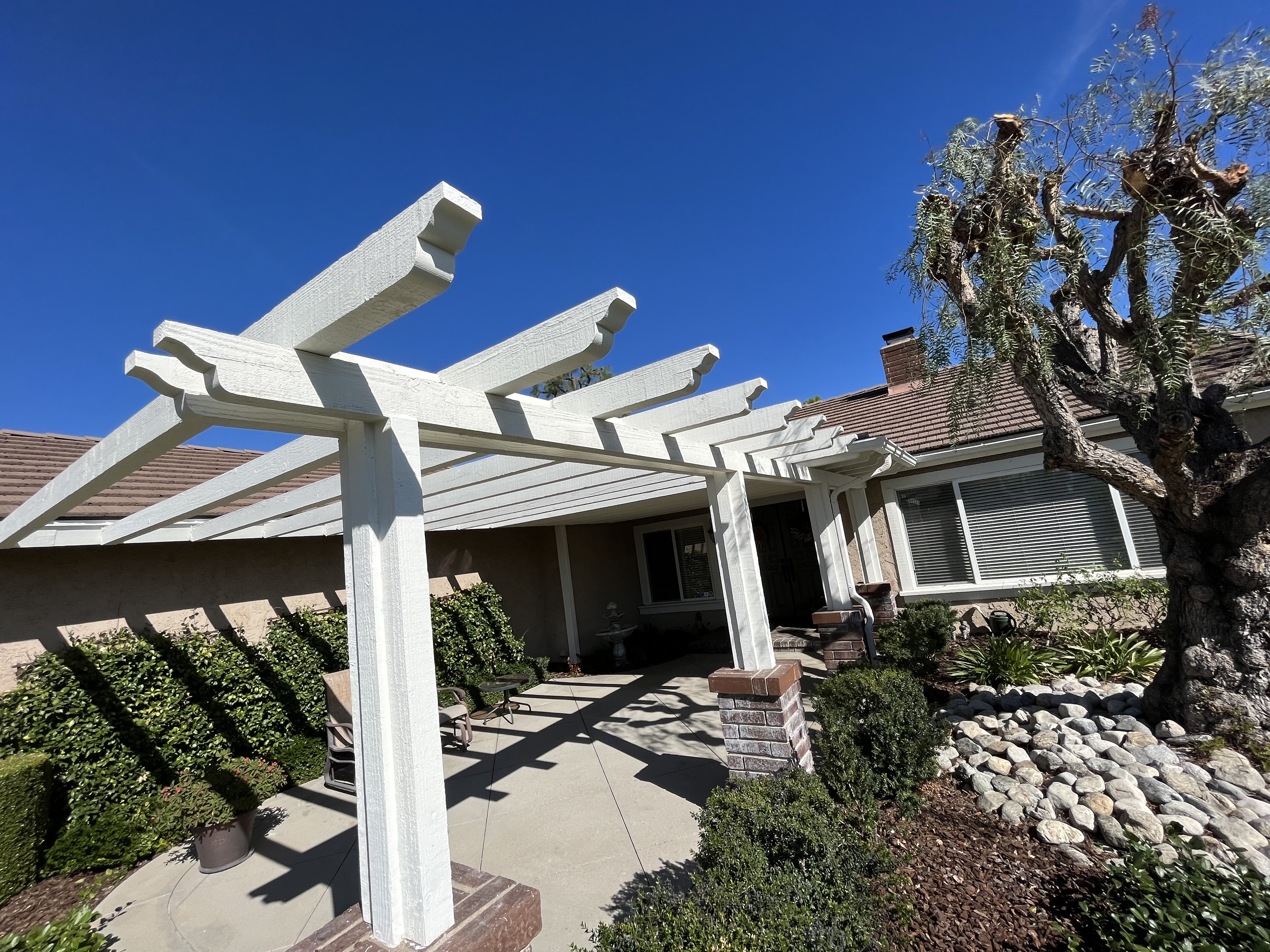
If you have a wood patio, balcony, or deck in Southern California, here’s something worth knowing: termites and pests love neglected outdoor wood just as much as you love sitting out there on a cool evening.
The good news? A little regular maintenance goes a long way — not just for the look of your backyard, but for protecting the structure of your home.
Here’s what to keep an eye on and what could be quietly inviting trouble.
Why Your Patio Is a Prime Target
Southern California might feel like paradise to us, but it’s also paradise for termites and dry rot. Warm weather year-round. Wood structures everywhere. Moisture from sprinklers and morning dew.
Your patio, deck, or balcony checks every box termites look for:
- Wood that touches or sits close to soil — subterranean termites travel through the ground and enter wood from below
- Shaded or damp spots — termites and fungus thrive where moisture lingers
- Cracked, unpainted, or weathered wood — this is like an open door for pests to move in
- Debris and leaf buildup on the cover or underneath — rodents, ants, and termites use this as a staging area
The longer these conditions sit unaddressed, the more damage they can quietly cause — often without any obvious signs until things get expensive.
The Maintenance Checks That Actually Matter
You don’t need to be a pest expert to do a basic patio inspection. Walk through this list once or twice a year — spring and fall are ideal in Southern California.
1. Look for Wood-to-Soil Contact
If any part of your deck posts, pergola legs, or fence boards are sitting directly in or touching soil, that’s a problem. Subterranean termites build mud tubes from the ground up into wood. You want at least a few inches of clearance between any wood and the ground.
Fix it: Add concrete footings, metal post bases, or gravel beds to create separation. It’s a simple upgrade that removes one of the most common termite entry points.
2. Check for Moisture Damage
Run your hand along wood beams and boards. Does anything feel soft, spongy, or hollow when you knock on it? Moisture-damaged wood is significantly easier for termites and wood-boring beetles to infest.
Look for:
- Discoloration or dark staining on wood surfaces
- Bubbling or peeling paint (a sign moisture is getting trapped underneath)
- Visible warping or splitting along grain lines
- Mud tubes on posts or footings — these thin, pencil-width tunnels are a clear sign of subterranean termites
3. Inspect Your Paint and Sealant
Paint and sealant aren’t just cosmetic. They seal out moisture, making wood harder to infest. When that protective layer breaks down, the wood underneath becomes vulnerable.
Check annually: Look for bare spots, cracks, or peeling — especially on the sides that get the most sun, which often go ignored. Raw, exposed wood on a patio or deck is an easy entry point for drywood termites.
4. Clear Out Debris
Old leaves, wood chips, mulch piled against your house, stacked firewood next to the deck — all of these attract pests. Ants, roaches, subterranean termites, and rodents will use debris as a home base and work their way into your structure from there.
Simple rule: Keep a clean perimeter. Move mulch and firewood at least 12–18 inches away from any wood structure.
5. Look Up — Not Just Down
Don’t just check the ground level. Drywood termites infest from above, not below. They fly in and find cracks in exposed wood, fascia boards, eave joints, and other exposed framing.
Check your patio’s overhead wood for:
- Small holes with powdery frass (sawdust-like droppings) nearby
- Hollow-sounding wood when tapped
- Blistering on wood surfaces with no clear moisture source
If you spot anything like this, it’s worth having a professional take a look before it spreads.
When Maintenance Isn’t Enough
Sometimes you do everything right and termites still show up. That’s the reality of living in Southern California. The climate here is one of the most active termite environments in the country, and no amount of sealant or debris clearing is a guarantee.
That’s where a professional inspection comes in.
A trained termite inspector can spot the early signs that homeowners miss — and early detection is the difference between a minor spot treatment and a full fumigation.
What Hooke Termite Does Differently
At Hooke Termite & Pest Services, we don’t just identify problems and hand you a report. We handle the whole thing.
- Termite inspections — thorough, honest, with next-day reports for escrow
- Spot treatments and subterranean treatments — targeted and effective
- Wood replacement and repairs — we prime and paint all sides of replacement wood before it goes in, and we paint-match to your existing finish. Our repairs often look better than the original
- General pest control — no contracts, no surprise costs, and a money-back guarantee on initial treatments
We serve homeowners throughout the San Gabriel Valley, Inland Empire, and surrounding Southern California communities.
Don’t Wait Until You See Damage
The most common thing we hear from homeowners is: “I didn’t even know anything was wrong until we started the job.”
Termites are quiet. They work from the inside out. By the time you see obvious damage, they’ve often been active for months or longer.
A quick annual inspection — especially if you have a wood patio, deck, or pergola — is one of the most straightforward ways to protect your home’s value.
Give us a call or reach out at hooketermite.com. We’ll take a look, tell you exactly what we find, and give you a straight answer on what it’ll take to fix it.
No runaround. No surprises.
Hooke Termite & Pest Services is a family-owned, full-service termite and pest control company based in Upland, California. We serve LA, Orange, San Bernardino, and Riverside counties.